What Is a Bunion?
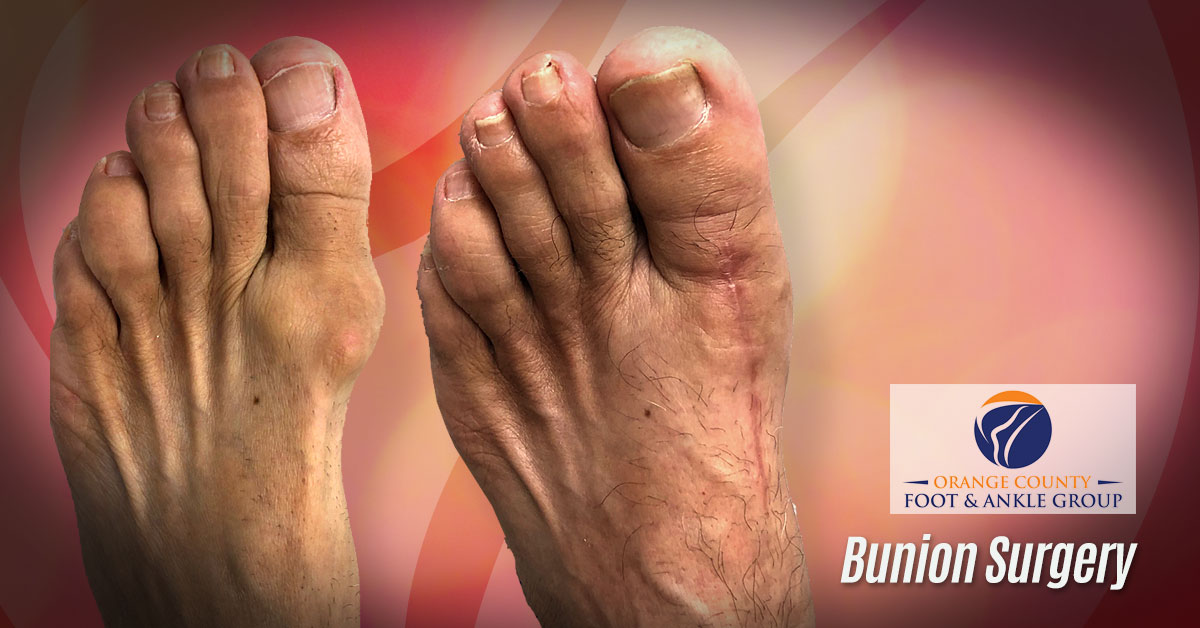
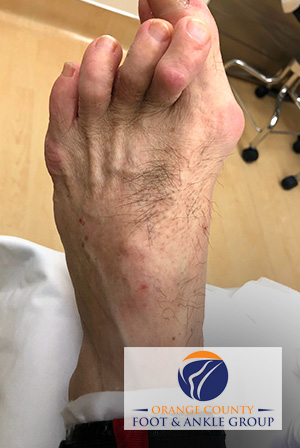
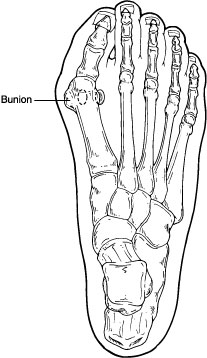
A bunion, also known as hallux valgus, is a structural deformity that develops at the joint near the base of the big toe. As the big toe gradually shifts toward the smaller toes, the joint may become more prominent, creating the appearance of a bump on the side of the foot.
A bunion is not simply an extra growth of bone. It involves changes in the alignment of the bones and joint, which can affect how the foot functions and how pressure is distributed during walking.
Bunions often develop gradually and may become more noticeable over time. Some people have a visible bunion with little or no discomfort, while others experience significant pain, difficulty wearing shoes, or limitations in daily activity.
What Causes Bunions?
Bunions can develop for several reasons, and there is often more than one contributing factor. Genetics and inherited foot structure play an important role, while footwear and certain medical conditions may influence symptoms or progression.
Common contributing factors include:
- Inherited foot structure: Certain foot shapes and mechanics may increase the likelihood of developing a bunion.
- Family history: Bunions often run in families, although the condition itself is not inherited in a simple, predictable way.
- Foot mechanics: Changes in how the foot moves and distributes weight may contribute to joint stress.
- Footwear: Narrow or tight shoes can place pressure on the bunion and worsen discomfort, although they are not the sole cause.
- Inflammatory conditions: Certain types of arthritis and other joint conditions may contribute to deformity or pain.
- Previous injury or structural changes: In some cases, trauma or other changes in the foot may affect joint alignment.
Understanding the factors involved can help your podiatrist recommend an appropriate treatment plan.
Learn More About Bunions



Signs and Symptoms of a Bunion
Bunion symptoms vary from person to person. Some patients are primarily concerned about the appearance of the joint, while others experience pain or difficulty with everyday activities.
You may notice:
- A visible bump on the side of the big toe joint.
- Pain or tenderness around the joint.
- Redness or irritation from shoes rubbing against the bunion.
- Swelling or inflammation near the big toe.
- Difficulty finding shoes that fit comfortably.
- Stiffness or reduced movement of the big toe.
- Changes in the position of the big toe or neighboring toes.
- Discomfort when walking, exercising, or standing for long periods.
A bunion may also contribute to pressure beneath the foot or irritation of nearby toes as the deformity progresses.
When Should You See a Podiatrist for a Bunion?
You do not have to wait until a bunion becomes severe to have it evaluated. If you are experiencing pain, difficulty wearing shoes, or changes in the position of your toes, a podiatrist can help you understand the condition and discuss your options.
Consider scheduling an appointment if your bunion is becoming more painful, interfering with your activities, or making it difficult to find comfortable footwear. An evaluation is also helpful if you notice increasing deformity, stiffness, or irritation of the surrounding skin.
If you have diabetes, poor circulation, or reduced sensation, it is especially important to address pressure areas or skin changes before they develop into more serious problems.
Personalized Bunion Care at Orange County Foot & Ankle Group
Our podiatrists begin by discussing your symptoms, medical history, footwear, activity level, and how the bunion is affecting your daily life. We will examine the alignment of your foot, the movement of the big toe joint, and any areas of tenderness or increased pressure.
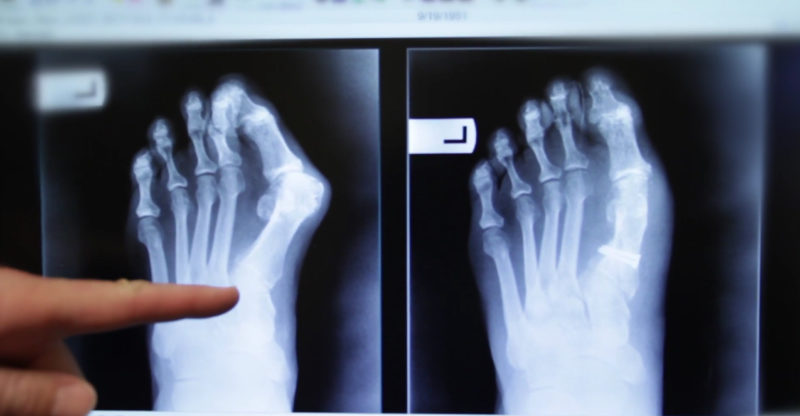
When clinically indicated, diagnostic imaging may be recommended to evaluate the position of the bones and the severity of the deformity.
Once we understand your condition, we can develop a treatment plan based on your symptoms and goals. Some patients benefit from conservative care to manage discomfort, while others may wish to discuss surgical correction when the bunion significantly affects their quality of life.
Bunion Treatment Options
Treatment depends on the severity of the bunion, your symptoms, and how the condition affects your activities. Not every bunion requires surgery, and the presence of a visible bump alone does not necessarily mean treatment is needed.
Conservative Care and Footwear Guidance
For patients with mild or moderate symptoms, conservative measures may help reduce irritation and improve comfort. Your podiatrist may recommend shoes with a wider toe box, appropriate activity modifications, and other strategies to reduce pressure on the affected joint.
Conservative care can help manage symptoms, but it does not permanently correct the underlying bone alignment.
Custom Orthotics
When foot mechanics or pressure distribution contribute to bunion discomfort, custom orthotics may help improve support and redistribute forces across the foot.
Orthotics may be useful for certain patients, particularly when other structural concerns are present. However, they do not reverse an established bunion deformity. Your podiatrist will determine whether they are appropriate for your individual needs.
EBM Medical Products
For select patients, appropriate pain-relieving creams or supplements may be considered as part of a broader care plan. These products may help support symptom management when clinically appropriate, but they do not correct the structural deformity.
Foot & Ankle Surgery
When a bunion causes persistent pain, limits daily activities, or does not respond adequately to conservative care, surgical correction may be considered.
Bunion surgery is designed to address the underlying structural deformity. The specific procedure depends on factors such as the severity of the bunion, joint condition, bone alignment, and your individual needs.
Our podiatrists will explain the available surgical options, potential benefits and risks, and what recovery may involve. Surgery is not the right choice for every patient, and the decision should be based on a thorough evaluation and a clear understanding of your goals.
Our Approach to Helping You Move Forward
- 1. Schedule Your Evaluation
Tell us about your symptoms, how long you have had the bunion, and how it is affecting your daily activities. - 2. Understand Your Options
Your podiatrist will evaluate your foot, explain the condition, and discuss the treatment options that are appropriate for you. - 3. Choose a Personalized Care Plan
Receive care and guidance designed to help you manage discomfort, improve function, and make confident decisions about your foot health.
Can You Prevent Bunions From Getting Worse?
Not every bunion can be prevented, and there is no guaranteed way to stop a deformity from progressing. However, certain measures may help reduce discomfort and limit unnecessary pressure on the joint.
Choose shoes that provide enough room for your toes and avoid footwear that repeatedly squeezes or irritates the bunion. Pay attention to changes in pain, toe position, or the way your shoes fit.
If you have recurring discomfort or concerns about progression, a podiatrist can evaluate your foot mechanics and recommend appropriate care. Early evaluation may help you manage symptoms and understand your options before the condition becomes more limiting.
Frequently Asked Questions About Bunions
Bunions are commonly associated with inherited foot structure and changes in joint alignment. Foot mechanics, certain medical conditions, and footwear may also contribute. Tight shoes can worsen symptoms, but they are not the only cause of bunions.
An established bunion generally does not disappear on its own because it involves a structural change in the alignment of the foot. Conservative care may help relieve discomfort, while surgical correction may be considered when the deformity causes significant symptoms.
No. Many people manage bunion symptoms without surgery, and some bunions cause little or no discomfort. Surgery is generally considered when pain or functional limitations persist despite appropriate conservative care.
Orthotics do not reverse an established bunion deformity. However, they may help certain patients by improving support and redistributing pressure, which can reduce discomfort associated with foot mechanics.
A bunion is a structural deformity involving the alignment of the big toe joint, while arthritis involves changes or inflammation within a joint. The two conditions can occur together, and a podiatrist can determine whether arthritis is contributing to your symptoms.
Surgery may be considered when a bunion causes persistent pain, limits your activities, or makes it difficult to wear appropriate footwear despite conservative treatment. The decision depends on your symptoms, examination findings, and personal goals rather than the appearance of the bunion alone.
Recovery varies depending on the surgical procedure, the severity of the deformity, and your individual health. Some procedures require a longer period of protected weight-bearing or activity restrictions than others. Your podiatrist will explain the expected recovery timeline if surgery is recommended.
Bunion recurrence is possible, although the likelihood varies depending on the procedure, the severity of the deformity, and individual factors. Your podiatrist can discuss the risks and expected outcomes of the surgical approach being considered.
Many people with bunions can continue exercising, although certain activities or footwear may aggravate symptoms. If pain is limiting your activity, a podiatrist can help you determine appropriate modifications and treatment options.
Take the Next Step Toward Comfortable Movement
You do not have to let bunion pain dictate your footwear, activities, or daily routine. Whether you are looking for ways to manage discomfort or want to understand whether surgery may be appropriate, Orange County Foot & Ankle Group is here to help.
Our team provides personalized foot and ankle care focused on your comfort, mobility, and long-term goals.
Schedule an Appointment