Why Is Diabetic Foot Care Important?
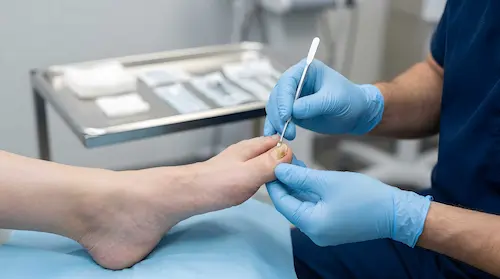
Diabetes can affect the nerves and blood vessels in your feet. Over time, these changes may reduce your ability to feel pain or pressure and make it more difficult for your body to heal from an injury.
A small blister, cut, or area of irritation may not seem serious, but if it goes unnoticed, it can develop into a wound or infection. Regular foot care helps identify these problems early and allows your podiatrist to address risk factors before they become more significant.
The goal of diabetic foot care is not simply to treat problems when they occur. It is to help you stay ahead of them.
How Does Diabetes Affect Your Feet?
Diabetes can affect foot health in several ways, and the changes may develop gradually.
Diabetic Neuropathy
Neuropathy is nerve damage that can cause numbness, tingling, burning, or reduced sensation in the feet. Some patients experience discomfort, while others may lose the ability to feel injuries or pressure points. When sensation is reduced, you may not notice a blister, a small cut, or a shoe rubbing against your skin.
Circulation Problems
Diabetes can contribute to blood vessel disease, which may reduce blood flow to the feet. Poor circulation can make healing more difficult and increase the risk of complications when an injury occurs.
Skin and Nail Changes
Dry skin, calluses, thickened nails, and other changes can create areas of irritation or pressure. If not monitored, some of these concerns may increase the risk of skin breakdown.
Changes in Foot Shape and Pressure
Certain patients may develop changes in foot structure or the way weight is distributed across the foot. These changes can create pressure points that increase the risk of calluses, irritation, and wounds.
Learn More About Diabetic Foot Care


What Happens During a Diabetic Foot Exam?
A diabetic foot examination is designed to evaluate your current foot health and identify factors that may increase your risk of future problems.
Your podiatrist may review your medical history, discuss any symptoms, and examine your skin, toenails, foot structure, and areas of pressure. The examination may also include an assessment of sensation and circulation.
Depending on your individual needs, your podiatrist may evaluate:
- Skin condition, including dryness, cracks, calluses, or wounds.
- Toenail health and signs of ingrown or abnormal nails.
- Sensation and possible signs of neuropathy.
- Circulation and changes in foot temperature or color.
- Foot shape, joint mobility, and areas of increased pressure.
- Footwear and whether it provides appropriate support and protection.
The frequency of your examinations will depend on your medical history, risk factors, and any existing foot concerns.
Common Diabetic Foot Problems We Evaluate
Diabetes can increase the risk of several foot conditions. Our team can help identify these concerns and recommend appropriate care before they become more serious.
Neuropathy and Reduced Sensation
Numbness, tingling, burning, or changes in sensation may indicate nerve involvement. Even when symptoms are mild, an evaluation can help identify risks and guide preventive care.
Calluses and Pressure Areas
Calluses may develop where the foot experiences repeated pressure or friction. In patients with reduced sensation, these areas can sometimes hide underlying skin damage or contribute to wound formation.
Ingrown and Abnormal Toenails
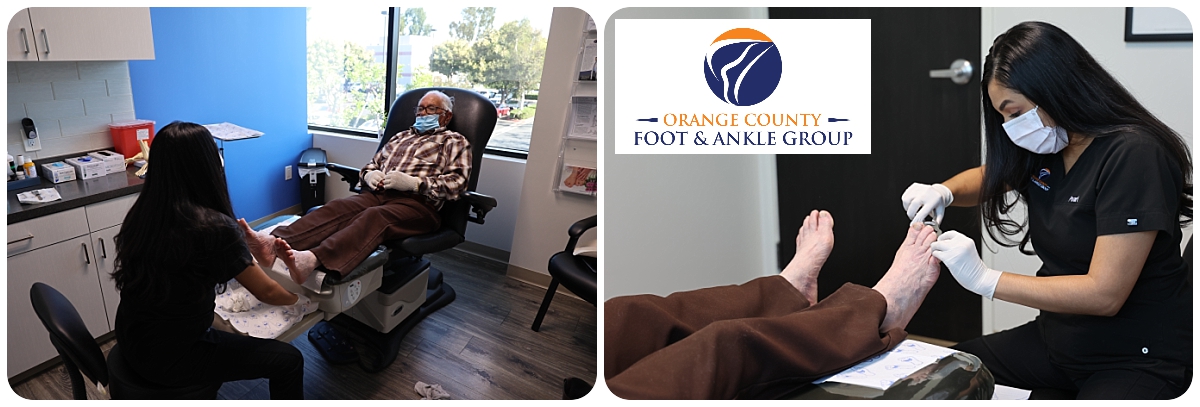
Thickened, difficult-to-trim, or ingrown toenails can cause discomfort and may increase the risk of skin injury. Professional evaluation is especially important if you have neuropathy or circulation concerns.
Dry or Cracked Skin
Dry skin can develop cracks that create an opening for bacteria. Your podiatrist can provide guidance on appropriate skin care and help identify areas that need closer attention.
Foot Deformities and Changes in Foot Mechanics
Bunions, flat feet, and other structural changes may create pressure points or make certain footwear uncomfortable. Addressing these concerns can help reduce irritation and protect vulnerable areas.
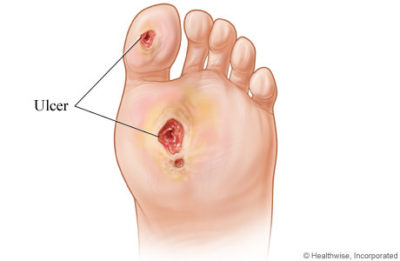
Diabetic Foot Wounds
If a wound has already developed, timely evaluation is essential. Our team can assess the wound and recommend an appropriate care plan to support healing and reduce the risk of complications.
Learn More About Diabetic Wound Care
Personalized Diabetic Foot Care at Orange County Foot & Ankle Group
Every patient with diabetes has different needs. Some patients benefit from routine preventive examinations, while others require more frequent monitoring because of neuropathy, circulation problems, previous wounds, or changes in foot structure.
Our podiatrists take the time to understand your health history, evaluate your feet, and explain what you can do to reduce your risk. We believe effective diabetic foot care should be proactive, practical, and tailored to your lifestyle.
Diabetic Foot Care and Treatment Options
Your care plan will depend on your examination findings and individual risk factors. Our team may recommend a combination of preventive measures and appropriate treatment options.
Routine Foot Examinations and Preventive Guidance
Regular examinations help identify changes in sensation, circulation, skin health, and foot structure. Your podiatrist can also provide guidance on daily foot checks, nail care, footwear, and recognizing early warning signs.
Orthotics
When foot mechanics or pressure distribution contribute to discomfort or increase the risk of skin irritation, orthotics may be recommended to improve support and help redistribute pressure.
Your podiatrist will determine whether orthotics are appropriate based on your foot structure, medical history, and individual needs.

EBM Medical Products
For select patients, appropriate supplements or pain-relieving creams may be considered as part of a broader care plan. These products are selected according to the patient's condition and medical history and are not a substitute for diabetic medical management or treatment of an active wound.
Diabetic Wound Care
If a wound develops, our team can provide an evaluation and recommend an appropriate treatment plan. Depending on the condition, care may include wound monitoring, pressure relief, and other clinically indicated options.
Patients with an active wound should not rely on routine preventive care alone. A wound requires specific evaluation and management.
Foot & Ankle Surgery
In select cases, surgery may be considered when a structural problem, severe infection, or another condition requires surgical treatment. Your podiatrist will explain whether surgery is appropriate and discuss the potential benefits, risks, and alternatives.
Our Approach to Keeping Your Feet Healthy
- 1. Schedule Your Foot Exam
Tell us about your diabetes history, any symptoms you are experiencing, and your concerns about your foot health. - 2. Understand Your Risk
Your podiatrist will evaluate your feet, identify potential concerns, and explain what you can do to help prevent complications. - 3. Follow a Personalized Care Plan
Receive ongoing guidance and appropriate care designed to protect your feet, maintain mobility, and help you stay active.
How to Care for Your Feet When You Have Diabetes
Daily foot care can make a meaningful difference in preventing complications. Even if your feet feel fine, it is important to check them regularly because reduced sensation may make it difficult to notice an injury.
Inspect your feet every day, including the bottoms of your feet and between your toes. Look for cuts, blisters, redness, swelling, or changes in the skin. If you cannot see the bottoms of your feet easily, use a mirror or ask someone to help.
Wash your feet with lukewarm water and dry them carefully, especially between the toes. Apply moisturizer to dry skin, but avoid putting lotion between the toes unless directed by your healthcare professional.
Wear properly fitting shoes and clean, dry socks. Check the inside of your shoes before putting them on, and avoid walking barefoot, even at home. Trim your toenails carefully and avoid cutting into the corners.
Do not attempt to remove calluses, corns, or ingrown toenails yourself. If you notice a new wound, drainage, or a concerning change in your foot, contact a healthcare professional promptly.
Frequently Asked Questions About Diabetic Foot Care
The recommended frequency depends on your individual risk factors. Patients with no significant foot complications may need less frequent examinations, while those with neuropathy, poor circulation, previous wounds, or other concerns may require more regular care. Your podiatrist can recommend an appropriate schedule.
A diabetic foot exam may include an assessment of the skin, toenails, sensation, circulation, foot structure, and areas of pressure. Your podiatrist will also review your symptoms and medical history and provide recommendations based on your individual risk.
Yes. Diabetes can contribute to nerve-related pain, circulation problems, and other foot conditions. However, some patients with diabetic neuropathy experience numbness rather than pain. New or persistent symptoms should be evaluated to determine the cause.
Numbness may be a sign of diabetic neuropathy, which occurs when nerves are damaged over time. Reduced sensation can increase the risk of unnoticed injuries, so it is important to discuss new or worsening numbness with your healthcare professional.
A podiatrist can help identify risk factors such as neuropathy, pressure points, abnormal foot mechanics, and skin changes. Regular examinations, appropriate footwear, orthotics when indicated, and patient education may help reduce the risk of ulcers, although no preventive plan can eliminate all risk.
Some patients with diabetes can safely trim their own toenails, but those with reduced sensation, poor circulation, thickened nails, or difficulty reaching their feet may benefit from professional guidance or care. Avoid cutting nails too short or digging into the corners.
If you have diabetes and notice a blister, cut, or open sore, contact a healthcare professional promptly, especially if you have neuropathy or circulation problems. Keep the area protected and avoid attempting to remove tissue or treat a deep wound yourself.
Orthotics may help certain patients by improving support and redistributing pressure. They can be particularly useful when foot mechanics or structural changes create areas of increased pressure. Your podiatrist can determine whether they are appropriate for your needs.
Warning signs include an open wound, spreading redness, significant swelling, drainage, black or severely discolored skin, or a sudden change in foot temperature or color. Fever or chills associated with a foot infection require urgent medical attention.
Make Your Foot Health a Priority
You do not have to wait until something hurts to take care of your feet. Regular diabetic foot care can help you recognize concerns early, protect your mobility, and feel more confident about your long-term health.
At Orange County Foot & Ankle Group, our team is here to provide personalized guidance and care that helps you stay one step ahead of potential complications.
Schedule an Appointment