
Get Back to Moving Comfortably
At Orange County Foot & Ankle Group, our podiatrists take the time to understand your symptoms, identify the source of your discomfort, and recommend a treatment plan tailored to your needs. Our goal is to help you move more comfortably and return to the activities that matter to you.
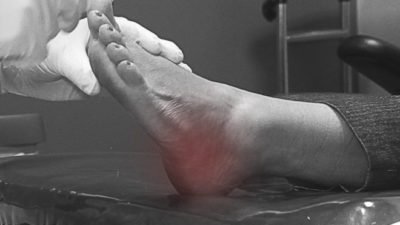
What Causes Heel Pain?
Heel pain is a common foot complaint, but it is not a diagnosis by itself. Several conditions can cause discomfort in or around the heel, and the right treatment depends on identifying the underlying problem.
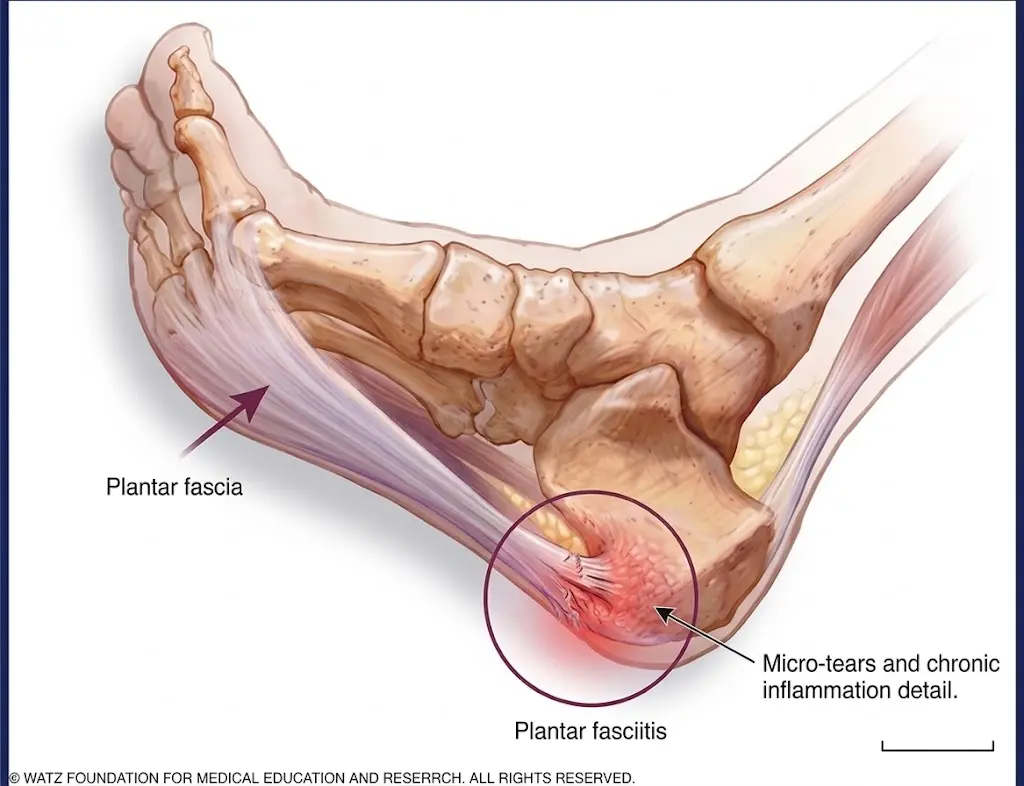
One of the most common causes is plantar fasciitis, which involves irritation of the plantar fascia, the thick band of tissue that supports the arch and connects the heel to the front of the foot. Other causes may involve the Achilles tendon, the heel bone, surrounding soft tissues, or changes in how the foot functions.
Common causes of heel pain include:
- Plantar fasciitis: Irritation of the plantar fascia, often associated with pain beneath the heel.
- Achilles tendonitis: Irritation of the tendon at the back of the heel, which may cause pain during activity or after periods of rest.
- Heel spurs: Bony growths that may be present alongside other heel conditions, although a spur itself is not always the source of pain.
- Stress fractures: Small cracks in the heel bone that can develop from repetitive stress or increased activity.
- Fat pad irritation: Discomfort involving the cushioning tissue beneath the heel.
- Nerve-related conditions: Irritation or compression of nerves that may cause burning, tingling, or radiating pain.
Because these conditions can produce similar symptoms, an accurate diagnosis is an important first step toward effective care.
Learn More About Heel Pain



How Do You Know If You Have Plantar Fasciitis?
Plantar fasciitis often causes a sharp or stabbing pain on the bottom of the heel, especially with the first steps after getting out of bed or standing after sitting for a while. The pain may improve as you begin moving, only to return after prolonged standing or activity.
You may also notice tenderness beneath the heel, discomfort after exercise, or pain that becomes more persistent over time. However, not all heel pain is plantar fasciitis. Pain at the back of the heel, swelling, numbness, or discomfort following an injury may point to a different cause.
A podiatrist can evaluate your symptoms and determine whether plantar fasciitis or another condition is responsible.
When Should You See a Podiatrist for Heel Pain?
Occasional soreness may improve with rest and changes in activity, but persistent or worsening heel pain should not be ignored. It is especially important to seek an evaluation if the discomfort is affecting your ability to walk, work, exercise, or complete daily activities.
Consider scheduling an appointment if:
- Your heel pain lasts more than a few days or keeps returning.
- You experience significant pain with your first steps in the morning.
- Rest and changes in footwear are not helping.
- You have swelling, redness, or tenderness around the heel.
- You have difficulty bearing weight or pain following an injury.
- You have diabetes or another condition that makes foot problems more concerning.
Sudden severe pain, an inability to bear weight, or significant swelling after an injury may require prompt medical attention.
Personalized Heel Pain Care at Orange County Foot & Ankle Group
There is no single treatment that works for every type of heel pain. Our podiatrists begin by evaluating your symptoms, medical history, activity level, and foot mechanics to determine what may be contributing to your discomfort.
Your examination may include assessing the location of your pain, how your foot and ankle move, and whether certain activities or movements reproduce your symptoms. When clinically indicated, additional diagnostic testing may be recommended to help identify the cause.
Once we understand the problem, we can develop a plan that reflects your condition, lifestyle, and goals. We believe patients should understand their options and feel confident about the care they receive.
Heel Pain Treatment Options
Treatment depends on the cause and severity of your heel pain. Our team may recommend a combination of approaches to reduce discomfort, address contributing factors, and support your return to activity.
Custom Orthotics
When foot mechanics or abnormal pressure contribute to heel pain, custom orthotics may help improve support and distribute pressure more effectively. Orthotics can be particularly useful for certain patients with plantar fasciitis, arch-related concerns, or recurring discomfort associated with the way they walk.
Our podiatrists will determine whether orthotics are appropriate based on your examination and individual needs.
EBM Medical Products
For select patients, our team may recommend appropriate supplements or pain-relieving creams as part of a broader care plan. These products are intended to support symptom management and are selected according to the patient's condition and medical history.
Regenerative Medicine
Orange County Foot & Ankle Group offers regenerative medicine options, including PRP and amniotic-based treatments. Depending on the diagnosis and individual circumstances, these therapies may be considered for certain chronic soft-tissue conditions.
Regenerative treatments are not appropriate for every patient, and evidence, risks, benefits, and regulatory considerations vary by product and indication. Our podiatrists can discuss whether an available option is suitable for your specific condition and explain what to expect.
Foot & Ankle Surgery
Most heel pain does not require surgery. However, when symptoms remain severe despite appropriate care or a structural problem requires surgical treatment, our team can discuss whether foot and ankle surgery may be an option.
The decision to consider surgery is based on your diagnosis, symptoms, examination findings, and response to previous treatment.
Frequently Asked Questions About Heel Pain
Plantar fasciitis is one of the most common causes of pain beneath the heel, particularly when discomfort is worse with the first steps in the morning. However, Achilles tendon problems, stress fractures, nerve irritation, and other conditions can also cause heel pain. An examination is the best way to determine the cause.
Morning heel pain is commonly associated with plantar fasciitis. After resting, the plantar fascia may feel stiff, and the first steps can place tension on the irritated tissue. Other conditions can cause similar symptoms, so persistent pain should be evaluated.
Some mild cases improve with rest, activity modification, and supportive footwear. However, recurring or persistent pain may require treatment, especially when the underlying cause continues to place stress on the heel. Waiting too long can allow symptoms to interfere with normal activity.
Most patients with plantar fasciitis do not need surgery. Treatment generally begins with non-surgical approaches selected according to the patient's symptoms and examination findings. Surgery may be considered in select cases when appropriate care has not provided sufficient relief.
Custom orthotics may help certain patients by improving foot support and reducing excessive pressure on painful areas. They are not necessary for every type of heel pain, and your podiatrist can determine whether they are likely to benefit your condition.
No. Heel spurs can be present without causing pain, and many people with heel pain do not have a symptomatic spur. The surrounding tissues and other possible causes should be evaluated rather than assuming the spur is responsible.
Recovery depends on the diagnosis, severity, duration of symptoms, and treatment plan. Some patients improve relatively quickly, while chronic conditions may require a longer period of care. Your podiatrist can provide a more realistic timeline after evaluating your condition.
Seek prompt medical attention if you have severe pain after an injury, cannot bear weight, develop significant swelling, or notice signs of infection. Patients with diabetes should also seek timely care for new foot wounds, redness, or other concerning changes.
Take the First Step Toward Heel Pain Relief
You do not have to keep planning your day around foot pain. Whether you are dealing with morning heel pain, discomfort during exercise, or symptoms that have not improved, Orange County Foot & Ankle Group can help you understand your options.
Our team is committed to providing thoughtful, personalized foot and ankle care that helps you move forward with confidence.
Schedule an Appointment